

Honeycomb Blinds vs Double Glazing: Which Is Better for Insulation?
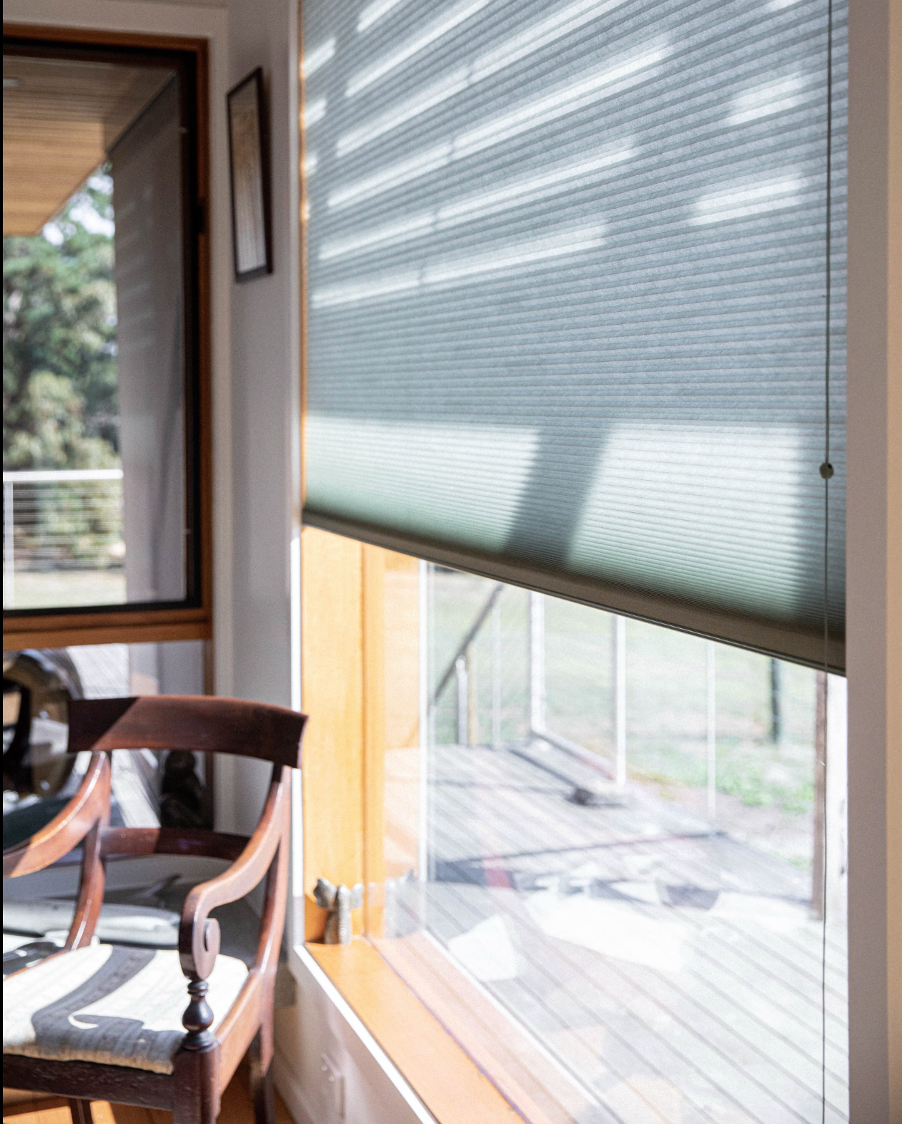
Windows are usually the weakest point in an otherwise well insulated home. On the Mornington Peninsula, that shows up as rooms that never quite warm up through winter and rooms that overheat on a hot summer afternoon.
Two solutions come up again and again: double glazing and honeycomb blinds. Both improve thermal performance, but they work differently. Double glazing improves the window itself. Honeycomb blinds add an insulating layer to the inside of the glass.
So which is better? There is not always one clear winner. The right answer depends on your existing windows, your budget, the orientation of the room and how you use the space. In many homes, the most effective approach uses both.
Why Windows Matter So Much for Home Insulation
Walls, ceilings and floors are built with insulation to slow the transfer of heat. Glass behaves very differently. In winter, heat generated inside the home is lost through the windows. In summer, solar heat enters through the glazing and pushes indoor temperatures up. Either way, your heating and cooling has to work harder.
Choosing energy efficient blinds or improving the glazing itself can help:
- Reduce heat loss during winter
- Reduce unwanted heat gain during summer
- Improve year round comfort
- Reduce reliance on heating and air conditioning
Australian Government guidance notes that windows and glazing play an important role in the overall thermal performance of a home. The real question for most homeowners is where to invest. Do you replace the windows, or add a high performance window furnishing that improves comfort without the cost and disruption?
What Are Honeycomb Blinds?
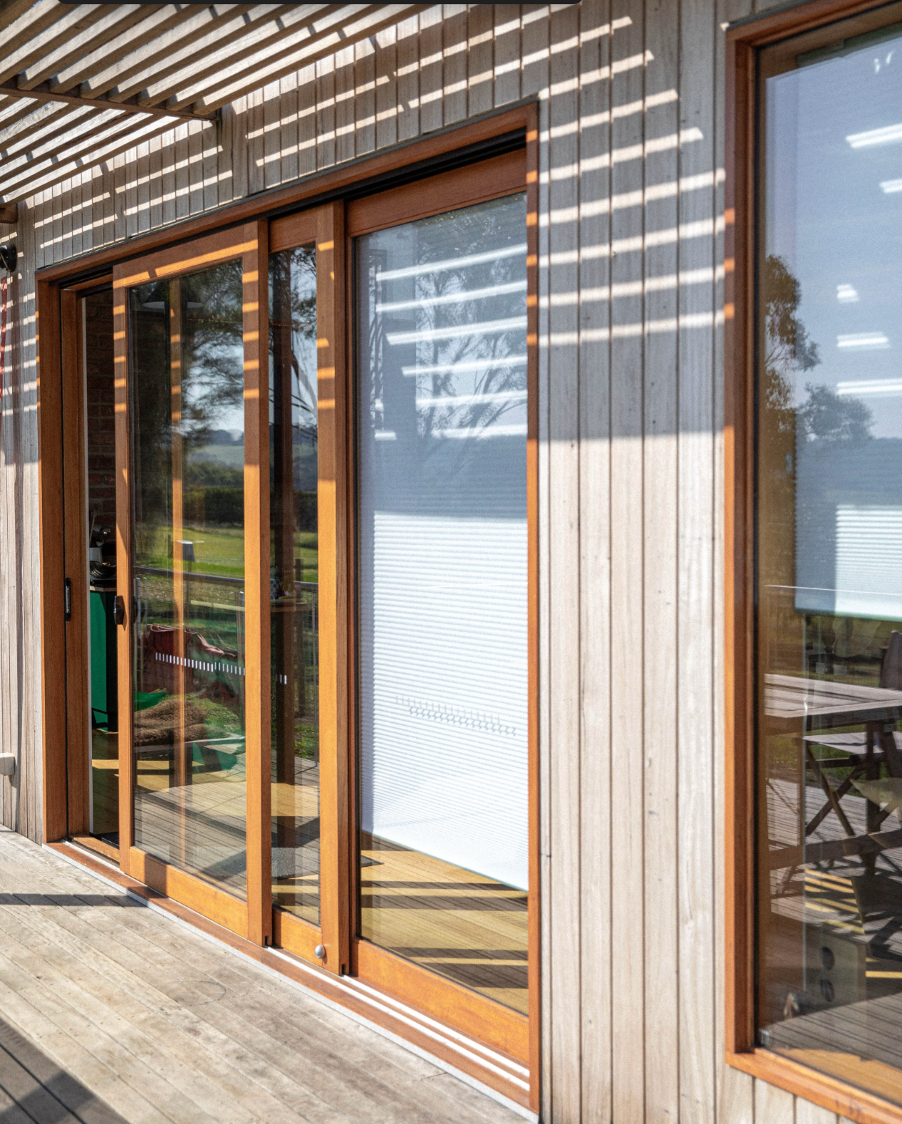
Honeycomb blinds, also known as cellular blinds or cellular shades, are designed with insulation in mind. Viewed from the side, the fabric forms a series of pockets that resemble a honeycomb. Those pockets trap air, and trapped air slows the transfer of heat, creating an insulating barrier between the glass and the room.
Depending on the system and fabric selected, they are available in:
- Single cell and double cell constructions
- Light filtering, translucent and blockout fabrics
- Top down and bottom up configurations
- Motorised and smart home compatible systems
- Special shaped window applications
Fit matters as much as fabric. A blind fitted closely within the window recess, using a system designed to minimise gaps around the edges, will outperform one that allows air to move freely around it.
How Honeycomb Blinds Improve Insulation
Each cell traps a layer of air, creating a buffer between the glass and the living space. In winter, that slows the movement of heat from the warm room towards the cold window. In summer, it reduces the transfer of heat from the warm glass into the room. A standard roller blind sits flat against the window and is mainly about privacy and light control, whereas a honeycomb blind is built specifically to hold air pockets.
What Is Double Glazing?
Double glazing uses two panes of glass separated by a sealed gap. That gap acts as an insulating layer and reduces the transfer of heat through the window. Depending on the system, it may contain air or a gas selected to improve thermal performance.
Performance depends on more than the glass alone:
- The type of glass and any specialised coatings
- The size of the gap between the panes and the gas it contains
- The window frame material
- The quality of the installation
The catch is cost. Retrofitting existing single glazed windows often means replacing frames, modifying surrounding finishes and managing a substantial installation.
Honeycomb Blinds vs Double Glazing: How They Compare
Thermal Insulation
Double glazing insulates continuously, because the improvement is built into the window, and it works whether the window is covered or not. The result still depends on the complete system, as a high performing glass unit can be let down by poor frames or installation.
Honeycomb blinds insulate when they are closed. Double cell constructions add further layers of trapped air, and a close fit reduces air movement around the edges. The trade off is permanence versus flexibility: double glazing is always working, while honeycomb blinds can be lowered when insulation is needed and opened when you want light.
Summer Heat Control
Honeycomb blinds reduce the transfer of heat from the glass into the room, and blockout cellular fabrics are especially useful in bedrooms. Once solar energy has passed through the glass, though, some heat has already entered the building envelope.
Not all double glazing performs the same way against solar heat either. Some units are designed for cold conditions, others to manage solar heat gain, which is why specifying glazing means more than simply asking for double glazing. For a west facing window taking intense afternoon sun, external shading is often the missing piece.
Winter Warmth
Double glazing works around the clock, contributing to more stable indoor temperatures and reducing the cold surface effect you feel near a large area of single glazing.
Honeycomb blinds create a thermal barrier when closed, which makes them a practical upgrade for homes with existing single glazing. They are also flexible. Open them to capture winter sun during the day, then close them once the temperature drops in the evening.
Cost and Budget
Replacing windows with double glazed units is a substantial investment. Cost varies with the size and number of windows, frame materials, custom shapes, access and the glass selected, and for a full house retrofit the figure adds up quickly.
Honeycomb blinds are a more accessible investment and can generally be installed into existing openings without structural work, which makes it possible to prioritise the rooms hardest to heat or cool rather than replacing every window at once.
Flexibility and Control
Double glazing is always there, but it cannot be adjusted. Honeycomb blinds can. Depending on the system you can open them for daylight, close them to add an insulating layer, use top down and bottom up configurations, motorise them, or integrate them into a smart home. That flexibility matters in rooms whose needs change through the day.
Noise Reduction
Double glazing may help reduce certain types of external noise, depending on the glass configuration, and honeycomb blinds add a soft layer that can soften acoustics within a room. If noise is the main objective, assess the actual source rather than assuming any double glazed window or blind will deliver the same result.
Not All Honeycomb Blinds Are the Same
At Shades of Australia Mornington, we work with a range of cellular systems, including Norman Honeycomb Shades and Verosol Cellular Blinds. Both deliver the core insulating benefits, but sit at different investment levels.
Norman Honeycomb Shades
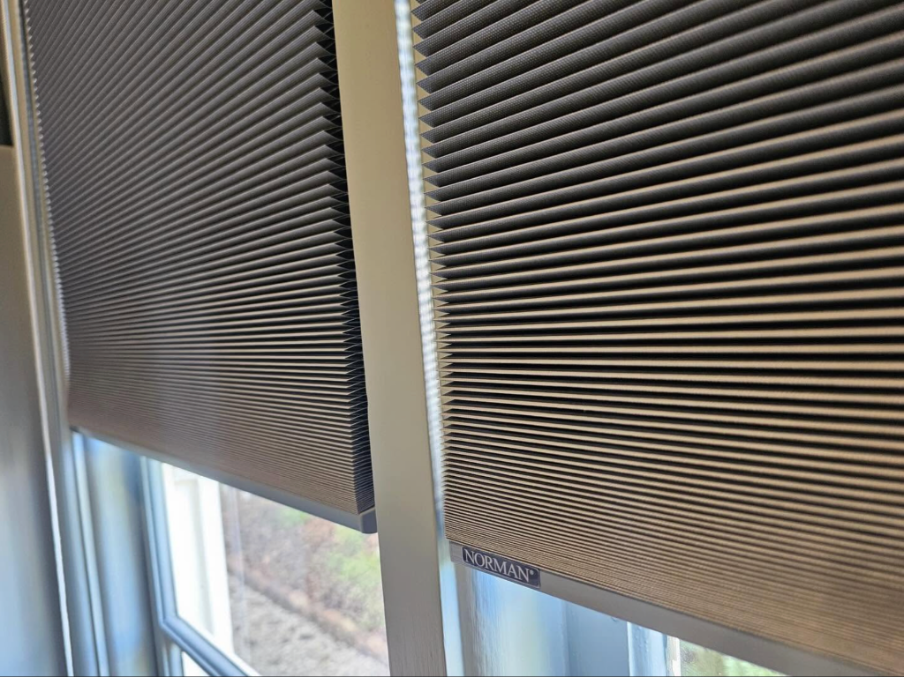
Norman's range suits homeowners who want improved insulation alongside effective light control and privacy. With a broad choice of fabrics and operating options, including systems designed to fit closely to the window, it works well for improving comfort across multiple rooms at a more accessible investment level.
Verosol Cellular Blinds

Verosol is a premium option, well known for technical window furnishing solutions and solar control. It suits homes where fabric technology, thermal performance and finish are central to the brief.
Choosing the Right Honeycomb Blind
The best honeycomb blind is not the most expensive one. When selecting a system, consider:
- The orientation of the window and the level of direct sunlight
- Whether insulation, light control or privacy is the priority
- Window shape and size, and how closely the blind can be fitted
- Whether blockout or motorisation is required
- The design of the room and your available budget
Can Honeycomb Blinds Replace Double Glazing?
Not exactly. The two are not directly interchangeable. Double glazing changes the thermal performance of the window itself. Honeycomb blinds add an insulating layer to the inside of the existing window.
If you are building or renovating, high performance glazing makes sense as part of the overall design. If your existing windows are staying, honeycomb blinds improve comfort while also adding privacy, light control and a clean contemporary appearance, with no major building work.
The Best Result Often Comes From Both
If your goal is maximum thermal performance, the answer may not be choosing one or the other. Double glazing improves the window. The honeycomb blind adds another insulating layer between the glass and the room. Together, they create a more effective barrier against heat loss and heat gain.
It is the same logic used for walls, ceilings and floors. Windows benefit from layers too:
- External shading reduces solar heat before it reaches the glass
- High performance glazing reduces heat transfer through the window
- Honeycomb blinds add an internal insulating layer, plus privacy and light control
- Thermal curtains over the top add softness and a further barrier at night
If you are researching the best curtains for insulation, it is worth
treating the whole window as one system rather than a single product.
Which Option Is Right for Your Home?
Honeycomb blinds are often the better choice when you have existing single glazed windows, when you are improving room by room, or when you need window coverings as well as insulation. Double glazing is often the better choice when you are building, when you are replacing windows anyway, or when large areas of poorly performing glass are a major source of discomfort.
Before deciding, ask:
- Which direction does the window face, and how much direct sun does it receive?
- Is the room difficult to heat in winter, or does it overheat in summer?
- Are you planning to replace the windows anyway, and would external shading improve the result?
The Bottom Line
There is no single solution that is right for every home. Double glazing gives you a permanent improvement to the window. Honeycomb blinds give you an insulating layer you can control, plus privacy and light control, without major renovation.
At Shades of Australia Mornington, we work with homeowners, designers and builders across the Mornington Peninsula.
From Norman Honeycomb Shades and premium Verosol systems through to curtains, external blinds and architectural shading, we look at how the layers work together across the year. Visit our Mornington showroom or speak with our team about the right solution for your windows.